
Searching
Where to buy a used boat: listing sites, brokers, dealers and private sellers
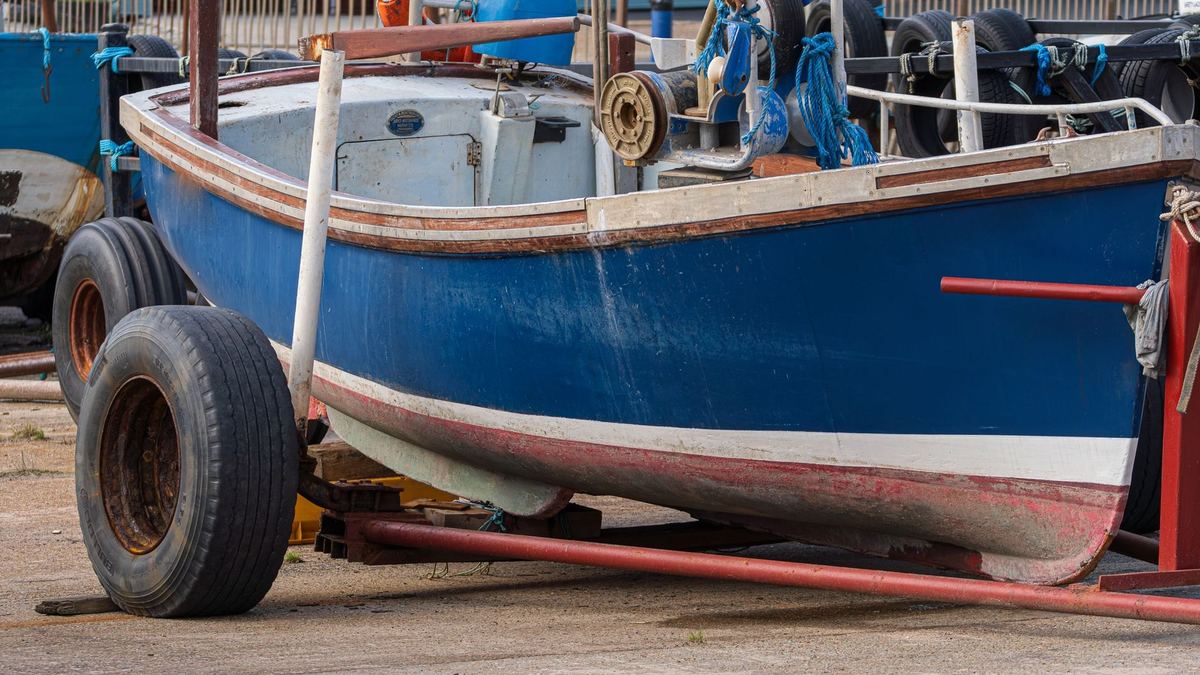
You can find thousands of used boats for sale tonight without leaving your chair: on the big listing sites, Facebook Marketplace and local classifieds, owners' association forums, and through brokers and dealers. Some of the best-kept boats never get listed at all and change hands through yacht clubs, marinas and boatyards. The trick is knowing who you're dealing with in each place.
Where boats are listed
- The big listing sites. Boat Trader and its sister sites, YachtWorld (where most brokers list) and boats.com carry the largest inventory. Filter by length, year, price and location, sort by newest, and check daily when you're serious. A "price drop" tag tells you a seller is getting motivated.
- Facebook Marketplace and local classifieds. Lots of smaller private sales, some real bargains, and most of the scams. Read boat buying scams before you answer an ad.
- Owners' associations and model forums. Members sell boats to other members, often well-kept boats with full records, and the forums are a gold mine of knowledge about each model's weak spots.
- Yacht clubs, marinas and boatyards. Bulletin boards, "for sale" signs on boats, and the yard manager who knows which owner is thinking about selling.
- Brokers, dealers and auctions, covered below.
Who you're dealing with
Brokers
A yacht broker is like a real estate agent for boats, and a listing broker works for the seller. The seller usually pays the commission out of the sale price. Ten percent is often called the industry standard, usually split between the listing broker and the buyer's broker if there is one.1
Good brokers are honest and make the process smoother: they know the paperwork, hold deposits in escrow and keep a deal moving. But their job is to sell the boat. When you hear "she's priced to sell" or "another buyer is coming Saturday," remember who's paying them. You can also hire your own buyer's broker, usually paid from the commission split. On a bigger boat, a good one can earn their keep.
Dealers
Dealers sell new boats and take used boats in trade. A dealer's used boat may come with a warranty, a service check and financing help, usually at a higher price than the same boat from a private seller. Ask about the boat's history: a trade-in from a local owner, or bought at auction?
Private sellers
Often the best prices and the best information, because the person who maintained the boat is right there. But there's no broker to hold the deposit or handle the paperwork, so you do that protection yourself. See title, bill of sale and liens.
Repos and auction boats
There are real deals at repo and liquidation auctions, mostly for buyers who know boats well. Understand the terms first. One of the biggest auctioneers sells every vessel "as is, where is," lets you make offers subject to survey and sea trial at your own expense, wants a 10 percent deposit within one business day of acceptance, and gives you five business days to complete conditions and fund or forfeit the deposit. It also makes no guarantee about the title.2
Repo boats often suffer from neglect, stripped equipment and electronics, or sinking and sun damage. One expert told Soundings that a repo should sell for around 40 percent below retail to make sense, and that travel to a distant boat can cost more than the survey itself.3 If you're not ready to travel, survey and risk the fees, let the professionals have the auctions.
When to buy
These are patterns, not laws:
- Late fall and winter in cold climates are often the best time to buy. Sellers face storage, haul-out and another year of slip fees, and fewer buyers are looking. The catch: it's harder to sea trial and survey in the cold.
- Spring brings the most buyers and the most competition.
- End of season in warm climates, before hurricane season or when snowbirds head north, can bring motivated sellers.
- After boat shows, dealers' trade-ins often come onto the market.
A boat listed for a year at the same price has a problem, a stubborn owner or an unrealistic price. Each one is an opening for a lower offer, if the boat checks out.
Buying far from home
Sometimes the right boat is two states away. Add up the extra costs: travel to see it and again for the survey, surveyor travel, delivery by water or by truck (boats wider than about 8.5 feet usually need oversize permits), and sales or use tax in your home state. On a $20,000 boat, those costs can eat the whole saving. On a $200,000 boat, the right boat far away often beats the wrong one close by.
Set up your search
- Pick two or three models that fit how you'll really use the boat. See what type of boat to buy.
- Save searches with email alerts on the main sites.
- Join the owners' groups for those models and read the "for sale" and "problems" threads.
- Keep a simple log of every boat listed: price, year, hours, location, date listed, price drops. Within a month you'll know the market better than most brokers.
- Look at ten boats before you offer on one. You'll learn what "good" looks like.
Common questions
Is it better to buy a boat from a dealer or a private seller?
Dealers offer convenience, sometimes a warranty and financing, at a higher price. Private sellers often have better prices and first-hand knowledge, but you handle the paperwork and deposit protection yourself.
What is the best month to buy a used boat?
In cold climates, late fall and winter often bring the most motivated sellers and the least competition. Just plan how you'll survey and sea trial before you commit.
Should I use a buyer's broker?
On a larger or more expensive boat, a good buyer's broker who represents you can save more than they cost, especially with sold comparables, paperwork and escrow. On small, simple boats, many buyers do fine on their own.
Sources
HullVet guides are written by the HullVet team with AI help, from the research behind The Honest Boat Buyer's Kit, and facts are linked to their sources. They're general education, not a marine survey or legal, tax or financial advice. Rules and prices vary by state and change over time, so check what matters for your boat.