
Choosing
What type of boat should I buy? Match the boat to the life you'll live
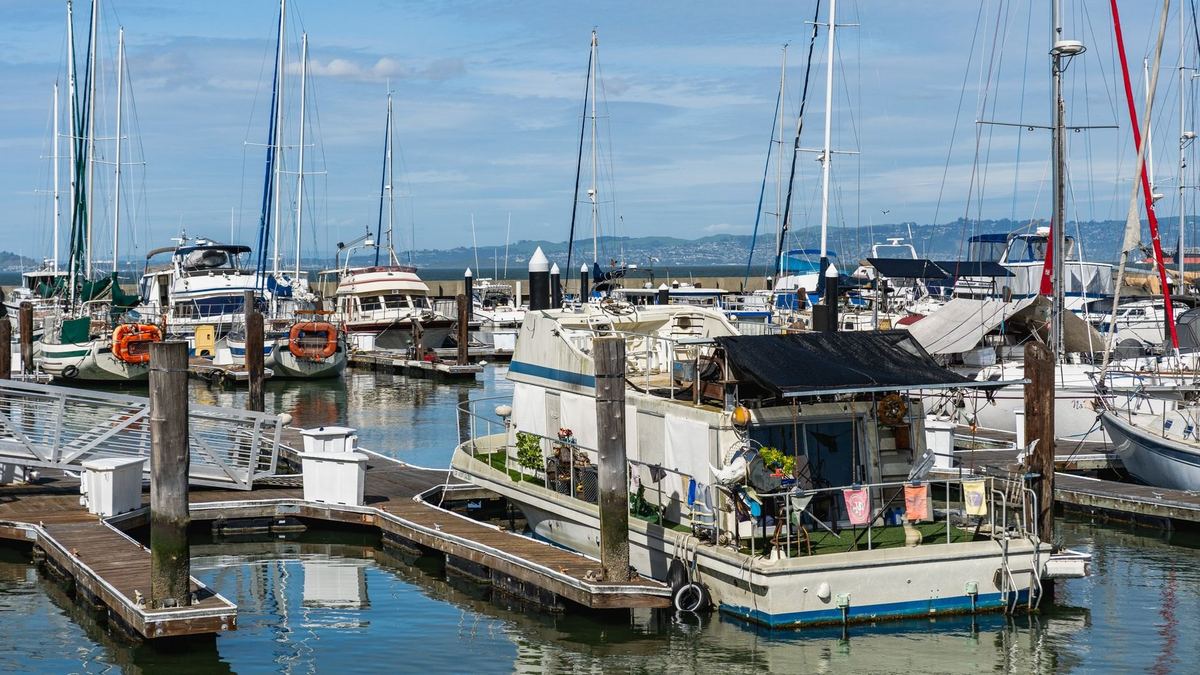
The right type of boat is the one that fits a normal day of your boating, not your dream trip. Answer a few questions first: who's aboard, what water you'll be on, how far it is from home, how many days a year you'll really go, and what you'll mostly do. The answers usually narrow the choice to one or two boat types before you open a single listing.
For most first-time buyers without a strong reason to choose otherwise, the easiest boats are a pontoon or tritoon on a lake, a center console or bay boat on the coast, a small single-engine trawler or tug for cruising couples, and a popular 22- to 30-foot production sailboat for anyone who wants to sail. All four are simple, common, easy to resell and forgiving.
Write your mission sentence first
Fill this in honestly, with whoever will be boating with you:
"[How many] people, usually on [what water], about [how many] days a year from [months], mostly to [main activity], kept [where], [how far] from home, handled by [who]."
Every boat you consider has to fit that sentence. If she doesn't, she's somebody else's boat.
Nine questions to answer
- Who's aboard on a normal day? Not the Fourth of July. If it's usually two people, you don't need a boat that sleeps six.
- What water? A small lake, a big lake, a river, a protected bay, the open coast or offshore. The water decides the hull.
- How far is it from your door? A boat twenty minutes away gets used on a Tuesday evening. Two hours away, it gets used on long weekends.
- How many days a year, honestly? Most working people end up with somewhere between 15 and 40 real boating days.
- What will you actually do? Fish, swim, cruise, sleep aboard, travel, live aboard? The top one picks the boat.
- Who handles the lines? Can one person dock this boat in a crosswind?
- Trailer, slip, mooring or dry stack? This changes the boat and the budget.
- How handy are you? A boat you can maintain yourself costs far less to own.
- What does your body say? Think about knees, backs and balance for everyone aboard in five years, not just today.
Matching the mission to a boat
| If your boating is mostly… | Look first at… | Usually not… |
|---|---|---|
| Family afternoons on a lake, swimming | Pontoon or tritoon, deck boat, bowrider | Big cabin cruiser |
| Fishing inshore and bays | Center console, bay boat, skiff, aluminum fishing boat | Express cruiser |
| Fishing offshore | Deep-vee center console or walkaround, 23 ft and up | Pontoon, light bowrider |
| Day trips plus a few nights aboard | Express cruiser 24 to 32 ft, small trawler or tug | Open bowrider |
| Slow travel for weeks, the Great Loop | Trawler, tug or cruising motorboat with modest draft | Fast, thirsty gas cruiser |
| Sailing for its own sake | Sailboat 22 to 34 ft with a simple rig | Big cruiser you'll rarely sail |
| Not sure yet | Rent, charter, join a club or buy a cheap small boat | Anything you'd need to finance |
The main boat types, honestly
| Type | Best at | Weak at | Beginner friendly? |
|---|---|---|---|
| Pontoon / tritoon | Calm-water family days, space, stability | Rough water, speed | Very |
| Bowrider / deck boat | Day trips, swimming, towing | Shelter, overnights | Yes |
| Center console / bay boat | Fishing, easy cleaning, seaworthy for size | Shade, comfort | Yes |
| Aluminum fishing boat | Cheap, light, tough, trailerable | Rough water, comfort | Very |
| Express cruiser | Weekends aboard with speed | Fuel, engine access | With practice |
| Trawler / tug | Slow travel, living aboard, economy | Speed, aging systems on old ones | Yes, if single engine |
| Monohull sailboat | Sailing, low running cost, range | Learning curve, rig and sail upkeep | With lessons |
| Catamaran | Space, stability, no heeling | Price, wide slips | With lessons |
Pontoons have taken over America's lakes: they were more than a third of all outboard-powered boats sold in 2024, by NMMA's figures.1 See our used pontoon buying guide. If sailing is the dream, read the used sailboat checklist first.
Where she lives changes everything
- Trailer at home: cheapest, and you can fish different water, but every trip means hitching, launching and retrieving. Check what your vehicle can really tow.
- Wet slip: walk down the dock and go. Also the most expensive, and the boat sits in the water year-round.
- Dry stack: the marina lifts the boat out of a rack when you call. Size limits apply, and you're on their schedule.
- Mooring: cheaper than a slip in many places, but you need a dinghy or launch to get aboard.
A boat on a trailer that gets used twenty times a year is a better boat than a bigger one in a slip that gets used six times. See what it costs to own a boat.
Boats that are easy on knees and nerves
If you're over sixty, or buying for the years ahead, look for walk-through access with a sturdy ladder and grab rail, wide side decks or a layout where you never go forward, a single-level layout without steep ladders, simple handling (a single engine with a bow thruster, or a pontoon), and lines you can reach from the cockpit. Docking helpers exist too: Mercury offers a joystick system for single-outboard pontoons that uses thrusters to move the boat sideways.2
Safety matters here. The Coast Guard's 2024 statistics show that operators over 55 were involved in the incidents with the most deaths of any age group, and where boat length was known, four out of five boaters who drowned were on boats under 21 feet.3 Wear the life jacket, and on a boat under 26 feet, clip on the engine cut-off lanyard: since April 2021 the law requires it when you're on plane or above displacement speed.4
The Great Loop question
If the Great Loop is in your dream, know its limits first. The route is at least about 5,250 statute miles, the lowest unavoidable fixed bridge is charted at 19.6 feet, the Loopers' association recommends a draft not much over five feet, and the longest stretch without fuel is about 240 miles.5 That rules out a lot of tall sailboats and thirsty boats before you start.
Common questions
What is the best boat for a beginner?
A common, simple boat suited to your water: a pontoon or tritoon on a lake, a center console or bay boat on the coast, a small single-engine trawler for cruising, or a popular small sailboat if you want to sail. Common models are easier to learn on, to get parts for and to resell.
Should I buy a new or used boat for my first boat?
Many first-time buyers do better with a well-kept used boat. The steep part of depreciation has already been paid, and if the boat turns out not to fit your life, you lose less when you sell.
What size boat should I buy?
The smallest boat that fits your normal day comfortably. Every extra foot adds slip fees, haul-out and paint costs, insurance, fuel and work.
Sources
- NMMA: Powerboat sales in 2024
- Brunswick: Mercury introduces Joystick Piloting for Outboards for single-engine pontoons (Jan 2022)
- U.S. Coast Guard: Recreational Boating Statistics 2024
- U.S. Coast Guard Boating Safety: New law requiring use of engine cut-off switches
- America's Great Loop Cruisers' Association: Great Loop FAQs
HullVet guides are written by the HullVet team with AI help, from the research behind The Honest Boat Buyer's Kit, and facts are linked to their sources. They're general education, not a marine survey or legal, tax or financial advice. Rules and prices vary by state and change over time, so check what matters for your boat.