
Mistakes
Nine first-time boat buyer mistakes, and how to avoid every one
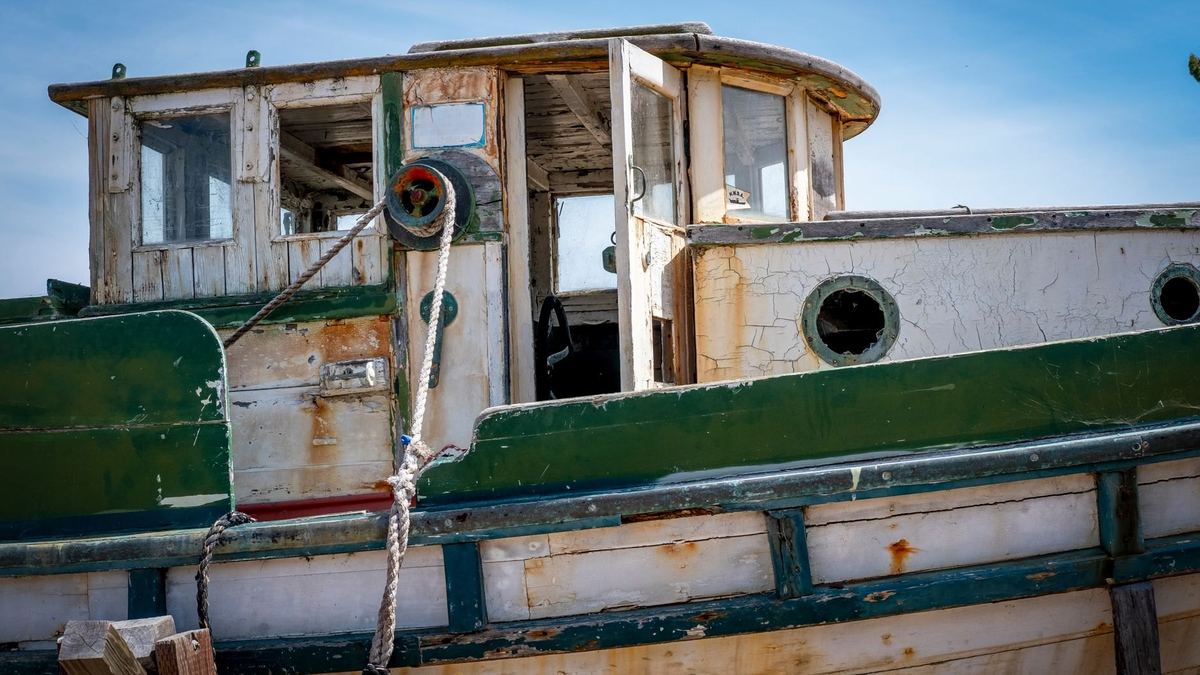
People who buy their first boat leave boating within five years at about a 40 percent clip, according to the marine retailers' association, and it says they mostly drift away because they don't use the boat enough to justify what it costs.1 An older industry study found that 54 percent of people who bought their first boat in 2005 were out of boating a decade later.2 When Boat Trader asked 3,587 private sellers why they were selling, only 3 percent said they couldn't afford the boat.3
Most boat regret, in other words, isn't about money running out. It's about a boat that didn't fit the owner's real life. Nearly all of it can be prevented before you shake a seller's hand.
1. Buying the boat for the dream instead of the calendar
The dream is a week in the islands. The calendar is eleven Saturdays a summer, three of them rained out. A boat that's perfect for the dream can be miserable for the calendar: too big to single-hand, too slow to get anywhere in an afternoon, too expensive to sit idle.
The fix: write one sentence that describes a normal boating day, and buy for that. See what type of boat to buy.
2. Budgeting for the price instead of the ownership
Most buyers know to the dollar what they'll pay for the boat, and very few know what they'll pay to keep it for a year. Slip, insurance, haul-outs, service, fuel, winter storage and the previous owner's deferred jobs come back every year.
The fix: budget by length, location and age, not price, and see what it really costs to own a boat.
3. Skipping the survey, or hiring the seller's surveyor
A pre-purchase survey usually costs about $20 to $25 per foot before the haul-out and engine add-ons.4 On a 34-foot boat that's under a thousand dollars to find out whether you're buying a boat or a project. People still skip it, or use the surveyor the broker suggests.
The fix: hire your own accredited surveyor and go along for the day. See boat survey cost.
4. Falling in love before the paperwork
Once your heart is aboard, your head stops asking hard questions. You overlook the soft spot by the helm, accept "the engine was just serviced" without a receipt, or wire a deposit to someone you've never met.
The fix: check the paper and the seller before the boat. See boat buying scams and title, bill of sale and liens.
5. Buying a project and calling it a bargain
"Runs great, just needs a little TLC." A project boat's real cost is the price plus parts plus labor plus yard time plus storage while you work, and jobs on boats take two or three times longer than you think.
The fix: write three numbers before you buy a project: what she'll be worth finished, what you'll spend to finish her (real quotes for anything you won't do yourself, plus 30 percent), and the months of storage. If the first number isn't comfortably bigger than the others combined, walk.
6. Ignoring the engines' future
On many older boats, replacing the engines costs more than the boat is worth. Some engines are cheap because nobody can fix them anymore: BRP stopped building Evinrude outboards in 2020,5 and owners report that some older OMC sterndrive parts are getting hard to find.6
The fix: call a local mechanic with the engine make and model and ask whether they'll support it. See boat engine hours and the sterndrive buying guide.
7. Buying a storm or flood boat without knowing it
After every major hurricane, damaged boats get salvaged, cleaned up and sold again, sometimes far away. BoatUS has warned that few states brand salvaged boats' titles.7
The fix: look for new upholstery in a tired boat, corrosion inside electrical panels and silt under floorboards, and ask in writing whether she's ever been sunk, flooded or in a claim.
8. Spending everything on the purchase
Every used boat comes with jobs the last owner put off, which is why the first year is usually the most expensive. If buying the boat empties your savings, the first dead battery, failed pump or torn canvas becomes a crisis.
The fix: hold back 10 to 15 percent of the price for the first year's catch-up work on a sound boat, and more on anything sold "as is."
9. Having no plan for the day you sell
Every boat gets sold eventually. The owners who do best plan the exit on the day they buy: they pick boats other people want, keep the receipts, and don't sink money into upgrades the next buyer won't pay for. Popular, well-supported models resell faster and closer to asking. See how much a used boat is worth.
Brand matters less than you think
None of these mistakes is about choosing the wrong brand. Condition, fit and price matter more. A tired example of a great boat is a worse buy than a cared-for example of an ordinary one.
Common questions
Why do so many people sell their first boat?
Mostly because the boat didn't fit their real life: too far from home, too big to handle, too much work for the weekends they actually had. Very few sell because they couldn't afford it.
Should a first-time buyer buy new or used?
Many do better with a well-kept used boat. Depreciation is gentler, and if the boat turns out to be the wrong one, you lose less when you sell and move on.
What should a first-time buyer do before shopping?
Write down how you'll really use the boat, build a yearly budget, and get quotes for a slip, insurance and financing. Then read our step-by-step guide to buying a used boat.
Sources
- Marine Retailers Association of the Americas: Keep your customers boating (first-time buyers leave within five years at about a 40 percent clip)
- NMMA: Grow Boating summit, Dec 2016, citing Info-Link (54 percent of 2005 first-time buyers already out of boating)
- Boat Trader survey of 3,587 private sellers on why they sell (June 2022)
- BetterBoat: Boat survey costs, a 2026 guide
- Boating Industry: BRP exits outboard motor business (28 May 2020)
- iboats forum: To OMC or not (OMC sterndrive parts)
- Sailing Scuttlebutt / BoatUS: Used boat buyers beware, are you buying a hurricane boat?
HullVet guides are written by the HullVet team with AI help, from the research behind The Honest Boat Buyer's Kit, and facts are linked to their sources. They're general education, not a marine survey or legal, tax or financial advice. Rules and prices vary by state and change over time, so check what matters for your boat.