
Model guide · Catamarans
Buying a used catamaran: Lagoon, Leopard and the ex-charter question
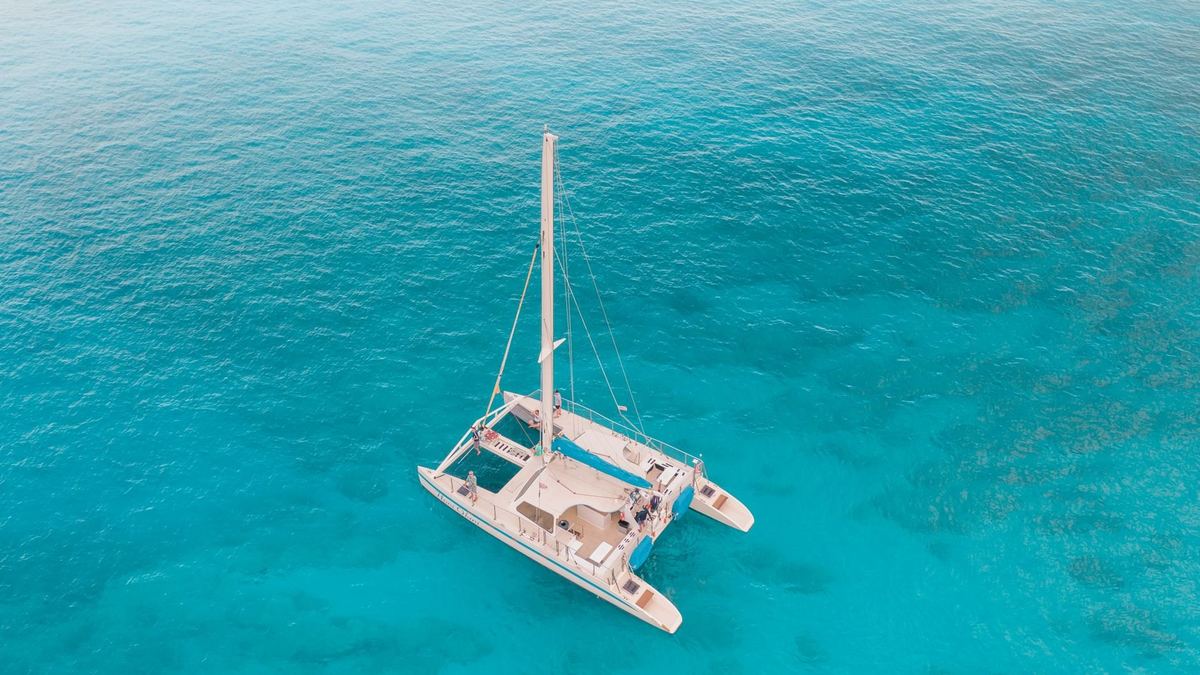
Cruising catamarans give you a big salon, a huge cockpit and private cabins in each hull, with a stable, flat ride at anchor and no heeling. Lagoon and Leopard are two of the best-known names, and their 38- to 44-foot models are everywhere in charter fleets and private hands. Many people buy the boat they loved on charter, and that's a good way to choose.
Just remember: the boat you chartered was being cleaned and fixed every week by a crew. Ex-charter cats can be the best value in cruising boats or a long refit, and the charter company's paperwork tells you which.
At a glance
| Lagoon 380 to 400 | Leopard 38 to 44 | |
|---|---|---|
| Length | About 38 to 40 ft | About 38 to 44 ft |
| Layout | Three or four cabins | Three or four cabins |
| Power | Twin diesels | Twin diesels |
| Built | France | South Africa |
| Common history | Charter fleets | Big charter fleets |
Is a used catamaran right for you?
A good fit if you want a proven, roomy cruising boat with a huge owner base, you'll live aboard or cruise for long periods, and you'll check the charter history carefully.
Think twice if you want sparkling sailing performance, you can't afford a wide slip, or the boat has no maintenance records.
Ex-charter boats: good value with conditions
Catamarans and cruising sailboats coming out of charter fleets are a big part of the used market. They've been used hard by many different skippers, often with four cabins and four heads, a generator and lots of engine hours. They're also usually maintained on a schedule by professionals, and priced lower than privately owned boats of the same age. Go in clear-eyed and expect to spend money refitting her to private standards.
What to check
Charter history
Ask for the charter company's maintenance log, the number of seasons in charter, and when she left the fleet and what was refit. If the seller can't produce the paperwork, get a very thorough survey.
Two of everything
- Two engines and two drives: hours, records and oil samples from both; saildrive diaphragm ages or shaft seals
- Two rudders: bearings, play and signs of grounding
- Two or more heads and holding tanks
Bridge-deck and bulkhead structure
Look for cracks and repairs where the hulls meet the bridge deck, at the bulkhead bonding, and on the underside of the bridge deck. Ask the surveyor to look for slamming damage.
Hatches and windows
Many hatches and large windows mean many seals. Look for leaks and staining.
Systems
Generator, watermaker, air conditioning, refrigeration and electronics: test every one under load.
Interior wear
Upholstery, cabinetry, hinges and heads take a beating in charter. Price the refit.
The slip question
A catamaran's beam can make slips hard to find and expensive. Many marinas charge more for wide boats or have few slips that fit. Line up a place to keep her before you buy. See boat loans, insurance and a place to keep her.
Questions to ask the seller
- How many seasons was she in charter, and with which company?
- Can I see the charter maintenance log and the refit invoices?
- How many hours on each engine and the generator?
- When were the saildrive diaphragms last replaced?
- Has she ever been grounded? Any rudder or keel repairs?
For rig, sails and the sea trial under sail, use our used sailboat checklist.
Common questions
Is it a good idea to buy an ex-charter catamaran?
It can be very good value if the maintenance logs are complete and the survey is thorough. Expect hard use, many engine hours and a refit to private standards.
What should I check first on a used catamaran?
The charter history and maintenance records, then both engines and drives, both rudders and the bridge-deck structure.
Are catamarans expensive to keep?
Often more than a monohull of the same length, mainly because of wider slips, two engines and more systems. Get local slip and insurance quotes before you buy.
HullVet guides are written by the HullVet team with AI help, from the research behind The Honest Boat Buyer's Kit, and facts are linked to their sources. They're general education, not a marine survey or legal, tax or financial advice. Rules and prices vary by state and change over time, so check what matters for your boat.